Tiger Sand Conch
Tiger Sand Conch – Conomurex luhuanus
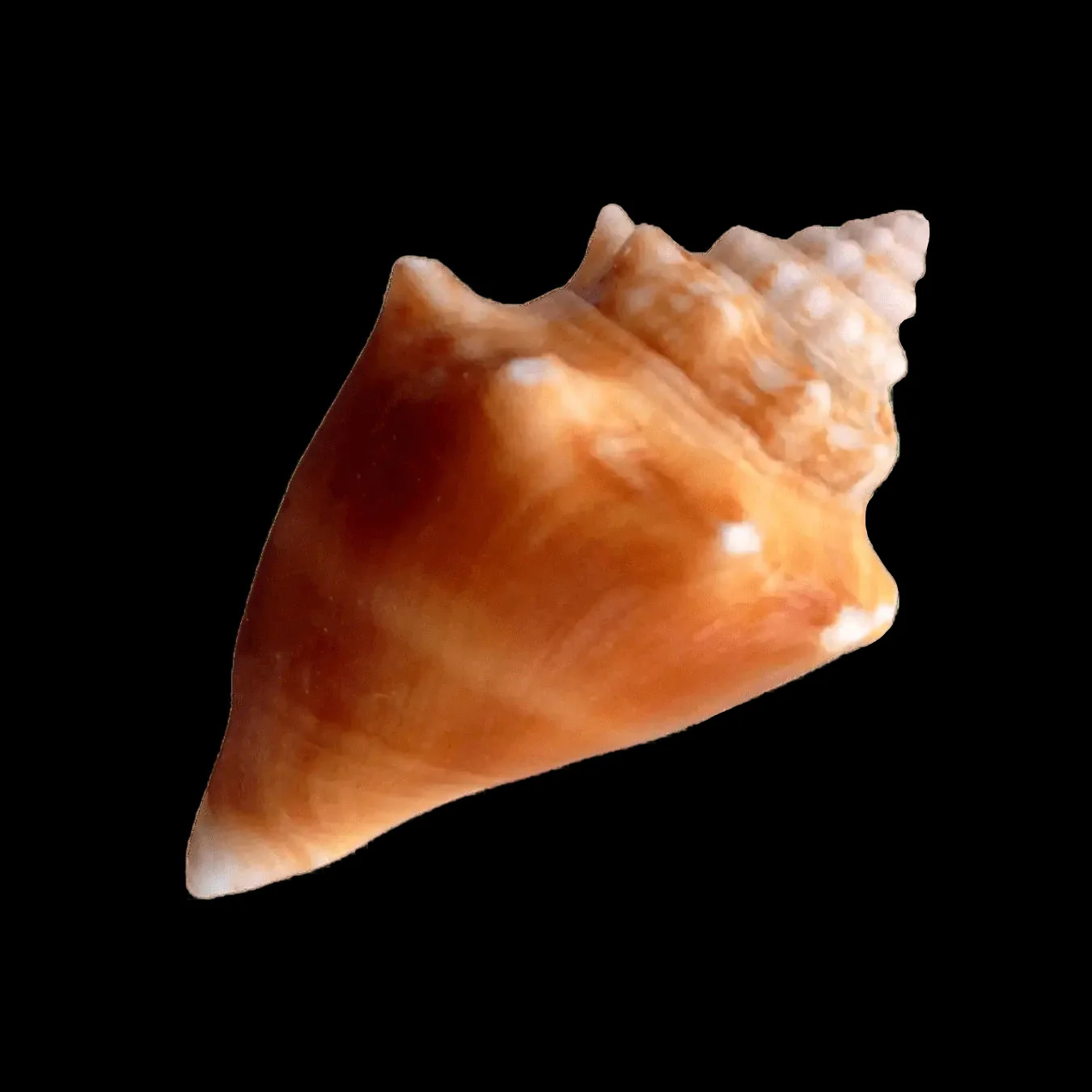
The Tiger Sand Conch is an attractive and highly functional saltwater aquarium invertebrate known for its cream, tan, and orange-brown patterned shell. Its elongated eyestalks, flexible feeding proboscis, and unusual hopping movement give it considerably more personality than the average cleanup-crew snail. The shell’s interior may display rich orange, red, or pink coloration, which also inspires the common name Strawberry Conch.
Commonly sold as the Tiger Conch, Strawberry Conch, or Tiger Sand Conch, Conomurex luhuanus is native to tropical Indo-Pacific waters. It naturally inhabits sandy areas around coral reefs, where it grazes algae, biofilm, and organic material from the substrate. The older scientific name Strombus luhuanus remains widely used in the aquarium trade, but Conomurex luhuanus is the currently accepted name.
Reaching up to approximately 3 inches, this peaceful conch is well suited to established reef aquariums and fish-only aquariums with ample open sand. Its constant grazing helps keep the substrate surface cleaner and lightly disturbed, making it both a useful and visually interesting addition to a balanced marine cleanup crew.
Quick Care Guide
Care Level: Easy
Minimum Tank Size: 20 gallons
Temperament: Peaceful
Diet: Herbivore and Detritivore
Reef Safe: Yes
Region: Indo-Pacific
Scientific Name: Conomurex luhuanus
Tank Requirements
Provide a mature saltwater aquarium with a broad area of fine- to medium-grain sand. Open substrate space is especially important because the Tiger Sand Conch spends much of its time moving across the sand while grazing. Arrange live rock so that it does not block the majority of the aquarium floor or create narrow spaces where the conch could become trapped.
A sand depth of approximately 1–2 inches is suitable for normal foraging and partial burrowing behavior. Moderate, well-distributed water movement is appropriate, provided the flow does not continually shift the substrate or tumble the animal.
This conch moves using a modified muscular foot and operculum, producing a distinctive hopping or lunging motion rather than the slow glide associated with many snails. Leave clear routes across the sand and secure small coral fragments that could be displaced by its movement.
Diet and Feeding
The Tiger Sand Conch grazes algae films, diatoms, detritus, and organic matter from the sand surface. Its long proboscis allows it to search between sand grains and collect edible material while moving across the substrate. It is especially valuable in mature aquariums with naturally occurring biofilm and light algae growth.
Supplemental feeding may be necessary in new, exceptionally clean, or lightly stocked aquariums. Offer small pieces of marine algae sheet, sinking herbivore pellets, algae wafers, spirulina-based foods, or frozen herbivore blends near the conch. Small amounts of leftover mysis shrimp and other marine foods may also be scavenged.
Feed two or three times per week when natural grazing material is limited. Avoid keeping more conchs than the available sandbed and food supply can support, as slow starvation can occur in overly clean systems.
Temperament and Tankmates
This species is peaceful toward fish, corals, shrimp, snails, and other non-predatory aquarium inhabitants. It may be kept singly or in groups when the aquarium provides sufficient open sand and enough food for every specimen.
Suitable tankmates include peaceful reef fish, ornamental shrimp, reef-safe crabs, and other cleanup-crew snails. Avoid puffers, triggerfish, large predatory wrasses, and other species known to consume mollusks. Large or aggressive hermit crabs may also attack the conch for food or attempt to take its shell.
The Tiger Sand Conch may occasionally remain partially buried or motionless for extended periods. This can be normal resting behavior, particularly when food is not immediately available.
Reef Compatibility
The Tiger Sand Conch is considered reef safe. It grazes the substrate and does not normally consume healthy corals, anemones, clams, ornamental shrimp, or other desirable reef inhabitants.
Its strong hopping movement may accidentally shift loose coral fragments, small rocks, or frags placed directly on the sand. Secure delicate corals and leave unobstructed paths across the substrate. While its activity helps keep the sand surface cleaner and lightly aerated, it does not replace routine aquarium maintenance.
Water Parameters
Temperature: 75–80°F
Specific Gravity: 1.024–1.026
pH: 8.1–8.4
Alkalinity: 8–12 dKH
Maintain stable salinity and introduce the conch gradually when aquarium and transport-water conditions differ. Like other marine snails, it should never be exposed to copper-based medications. Stability is more important than repeatedly adjusting the aquarium to reach one exact value. Adult specimens have been maintained under controlled conditions at approximately 77–79°F and a specific gravity of 1.025–1.027.
Common Considerations
-
Requires open sand: Dense rockwork with little exposed substrate limits its natural feeding behavior.
-
Supplement clean aquariums: Provide algae-based sinking foods when natural biofilm and detritus are scarce.
-
Secure loose frags: Its strong hopping movement may displace lightweight objects resting on the sand.
-
Avoid copper exposure: Copper-based medications are unsafe for this and other marine snails.
-
Protect it from predators: Puffers, triggers, predatory wrasses, and aggressive crustaceans may attack or consume it.
Original: $14.99
-65%$14.99
$5.25Tiger Sand Conch
Tiger Sand Conch – Conomurex luhuanus
The Tiger Sand Conch is an attractive and highly functional saltwater aquarium invertebrate known for its cream, tan, and orange-brown patterned shell. Its elongated eyestalks, flexible feeding proboscis, and unusual hopping movement give it considerably more personality than the average cleanup-crew snail. The shell’s interior may display rich orange, red, or pink coloration, which also inspires the common name Strawberry Conch.
Commonly sold as the Tiger Conch, Strawberry Conch, or Tiger Sand Conch, Conomurex luhuanus is native to tropical Indo-Pacific waters. It naturally inhabits sandy areas around coral reefs, where it grazes algae, biofilm, and organic material from the substrate. The older scientific name Strombus luhuanus remains widely used in the aquarium trade, but Conomurex luhuanus is the currently accepted name.
Reaching up to approximately 3 inches, this peaceful conch is well suited to established reef aquariums and fish-only aquariums with ample open sand. Its constant grazing helps keep the substrate surface cleaner and lightly disturbed, making it both a useful and visually interesting addition to a balanced marine cleanup crew.
Quick Care Guide
Care Level: Easy
Minimum Tank Size: 20 gallons
Temperament: Peaceful
Diet: Herbivore and Detritivore
Reef Safe: Yes
Region: Indo-Pacific
Scientific Name: Conomurex luhuanus
Tank Requirements
Provide a mature saltwater aquarium with a broad area of fine- to medium-grain sand. Open substrate space is especially important because the Tiger Sand Conch spends much of its time moving across the sand while grazing. Arrange live rock so that it does not block the majority of the aquarium floor or create narrow spaces where the conch could become trapped.
A sand depth of approximately 1–2 inches is suitable for normal foraging and partial burrowing behavior. Moderate, well-distributed water movement is appropriate, provided the flow does not continually shift the substrate or tumble the animal.
This conch moves using a modified muscular foot and operculum, producing a distinctive hopping or lunging motion rather than the slow glide associated with many snails. Leave clear routes across the sand and secure small coral fragments that could be displaced by its movement.
Diet and Feeding
The Tiger Sand Conch grazes algae films, diatoms, detritus, and organic matter from the sand surface. Its long proboscis allows it to search between sand grains and collect edible material while moving across the substrate. It is especially valuable in mature aquariums with naturally occurring biofilm and light algae growth.
Supplemental feeding may be necessary in new, exceptionally clean, or lightly stocked aquariums. Offer small pieces of marine algae sheet, sinking herbivore pellets, algae wafers, spirulina-based foods, or frozen herbivore blends near the conch. Small amounts of leftover mysis shrimp and other marine foods may also be scavenged.
Feed two or three times per week when natural grazing material is limited. Avoid keeping more conchs than the available sandbed and food supply can support, as slow starvation can occur in overly clean systems.
Temperament and Tankmates
This species is peaceful toward fish, corals, shrimp, snails, and other non-predatory aquarium inhabitants. It may be kept singly or in groups when the aquarium provides sufficient open sand and enough food for every specimen.
Suitable tankmates include peaceful reef fish, ornamental shrimp, reef-safe crabs, and other cleanup-crew snails. Avoid puffers, triggerfish, large predatory wrasses, and other species known to consume mollusks. Large or aggressive hermit crabs may also attack the conch for food or attempt to take its shell.
The Tiger Sand Conch may occasionally remain partially buried or motionless for extended periods. This can be normal resting behavior, particularly when food is not immediately available.
Reef Compatibility
The Tiger Sand Conch is considered reef safe. It grazes the substrate and does not normally consume healthy corals, anemones, clams, ornamental shrimp, or other desirable reef inhabitants.
Its strong hopping movement may accidentally shift loose coral fragments, small rocks, or frags placed directly on the sand. Secure delicate corals and leave unobstructed paths across the substrate. While its activity helps keep the sand surface cleaner and lightly aerated, it does not replace routine aquarium maintenance.
Water Parameters
Temperature: 75–80°F
Specific Gravity: 1.024–1.026
pH: 8.1–8.4
Alkalinity: 8–12 dKH
Maintain stable salinity and introduce the conch gradually when aquarium and transport-water conditions differ. Like other marine snails, it should never be exposed to copper-based medications. Stability is more important than repeatedly adjusting the aquarium to reach one exact value. Adult specimens have been maintained under controlled conditions at approximately 77–79°F and a specific gravity of 1.025–1.027.
Common Considerations
-
Requires open sand: Dense rockwork with little exposed substrate limits its natural feeding behavior.
-
Supplement clean aquariums: Provide algae-based sinking foods when natural biofilm and detritus are scarce.
-
Secure loose frags: Its strong hopping movement may displace lightweight objects resting on the sand.
-
Avoid copper exposure: Copper-based medications are unsafe for this and other marine snails.
-
Protect it from predators: Puffers, triggers, predatory wrasses, and aggressive crustaceans may attack or consume it.
Product Information
Product Information
Shipping & Returns
Shipping & Returns
Description
Tiger Sand Conch – Conomurex luhuanus
The Tiger Sand Conch is an attractive and highly functional saltwater aquarium invertebrate known for its cream, tan, and orange-brown patterned shell. Its elongated eyestalks, flexible feeding proboscis, and unusual hopping movement give it considerably more personality than the average cleanup-crew snail. The shell’s interior may display rich orange, red, or pink coloration, which also inspires the common name Strawberry Conch.
Commonly sold as the Tiger Conch, Strawberry Conch, or Tiger Sand Conch, Conomurex luhuanus is native to tropical Indo-Pacific waters. It naturally inhabits sandy areas around coral reefs, where it grazes algae, biofilm, and organic material from the substrate. The older scientific name Strombus luhuanus remains widely used in the aquarium trade, but Conomurex luhuanus is the currently accepted name.
Reaching up to approximately 3 inches, this peaceful conch is well suited to established reef aquariums and fish-only aquariums with ample open sand. Its constant grazing helps keep the substrate surface cleaner and lightly disturbed, making it both a useful and visually interesting addition to a balanced marine cleanup crew.
Quick Care Guide
Care Level: Easy
Minimum Tank Size: 20 gallons
Temperament: Peaceful
Diet: Herbivore and Detritivore
Reef Safe: Yes
Region: Indo-Pacific
Scientific Name: Conomurex luhuanus
Tank Requirements
Provide a mature saltwater aquarium with a broad area of fine- to medium-grain sand. Open substrate space is especially important because the Tiger Sand Conch spends much of its time moving across the sand while grazing. Arrange live rock so that it does not block the majority of the aquarium floor or create narrow spaces where the conch could become trapped.
A sand depth of approximately 1–2 inches is suitable for normal foraging and partial burrowing behavior. Moderate, well-distributed water movement is appropriate, provided the flow does not continually shift the substrate or tumble the animal.
This conch moves using a modified muscular foot and operculum, producing a distinctive hopping or lunging motion rather than the slow glide associated with many snails. Leave clear routes across the sand and secure small coral fragments that could be displaced by its movement.
Diet and Feeding
The Tiger Sand Conch grazes algae films, diatoms, detritus, and organic matter from the sand surface. Its long proboscis allows it to search between sand grains and collect edible material while moving across the substrate. It is especially valuable in mature aquariums with naturally occurring biofilm and light algae growth.
Supplemental feeding may be necessary in new, exceptionally clean, or lightly stocked aquariums. Offer small pieces of marine algae sheet, sinking herbivore pellets, algae wafers, spirulina-based foods, or frozen herbivore blends near the conch. Small amounts of leftover mysis shrimp and other marine foods may also be scavenged.
Feed two or three times per week when natural grazing material is limited. Avoid keeping more conchs than the available sandbed and food supply can support, as slow starvation can occur in overly clean systems.
Temperament and Tankmates
This species is peaceful toward fish, corals, shrimp, snails, and other non-predatory aquarium inhabitants. It may be kept singly or in groups when the aquarium provides sufficient open sand and enough food for every specimen.
Suitable tankmates include peaceful reef fish, ornamental shrimp, reef-safe crabs, and other cleanup-crew snails. Avoid puffers, triggerfish, large predatory wrasses, and other species known to consume mollusks. Large or aggressive hermit crabs may also attack the conch for food or attempt to take its shell.
The Tiger Sand Conch may occasionally remain partially buried or motionless for extended periods. This can be normal resting behavior, particularly when food is not immediately available.
Reef Compatibility
The Tiger Sand Conch is considered reef safe. It grazes the substrate and does not normally consume healthy corals, anemones, clams, ornamental shrimp, or other desirable reef inhabitants.
Its strong hopping movement may accidentally shift loose coral fragments, small rocks, or frags placed directly on the sand. Secure delicate corals and leave unobstructed paths across the substrate. While its activity helps keep the sand surface cleaner and lightly aerated, it does not replace routine aquarium maintenance.
Water Parameters
Temperature: 75–80°F
Specific Gravity: 1.024–1.026
pH: 8.1–8.4
Alkalinity: 8–12 dKH
Maintain stable salinity and introduce the conch gradually when aquarium and transport-water conditions differ. Like other marine snails, it should never be exposed to copper-based medications. Stability is more important than repeatedly adjusting the aquarium to reach one exact value. Adult specimens have been maintained under controlled conditions at approximately 77–79°F and a specific gravity of 1.025–1.027.
Common Considerations
-
Requires open sand: Dense rockwork with little exposed substrate limits its natural feeding behavior.
-
Supplement clean aquariums: Provide algae-based sinking foods when natural biofilm and detritus are scarce.
-
Secure loose frags: Its strong hopping movement may displace lightweight objects resting on the sand.
-
Avoid copper exposure: Copper-based medications are unsafe for this and other marine snails.
-
Protect it from predators: Puffers, triggers, predatory wrasses, and aggressive crustaceans may attack or consume it.